Advanced Laser Treatment of all types of skin conditions......Opening our Doors on 1st April 2026!!!

Laser Treatment for Melasma
Melasma causes patches of darker pigmentation, most often across the cheeks, forehead, upper lip, and nose. At Iona Dermatologics, we use Lutronic Ultra™ as part of a careful, medical approach to help improve the appearance of melasma while respecting sensitive skin and minimizing the risk of worsening pigmentation. Your treatment is assessed and supervised by our dermatology team and tailored to your skin tone, pattern of melasma, and lifestyle.
The Science of the Laser

Targeting Areas of Darker Pigment
The laser can be focused on the specific areas where melasma appears, such as the cheeks, temples, or forehead. While respecting surrounding skin. Treatments are customized to your skin type and depth of pigmentation, and may be combined with prescription creams and strict sun protection for best results.

Gentle Fractional Laser for Pigmentation
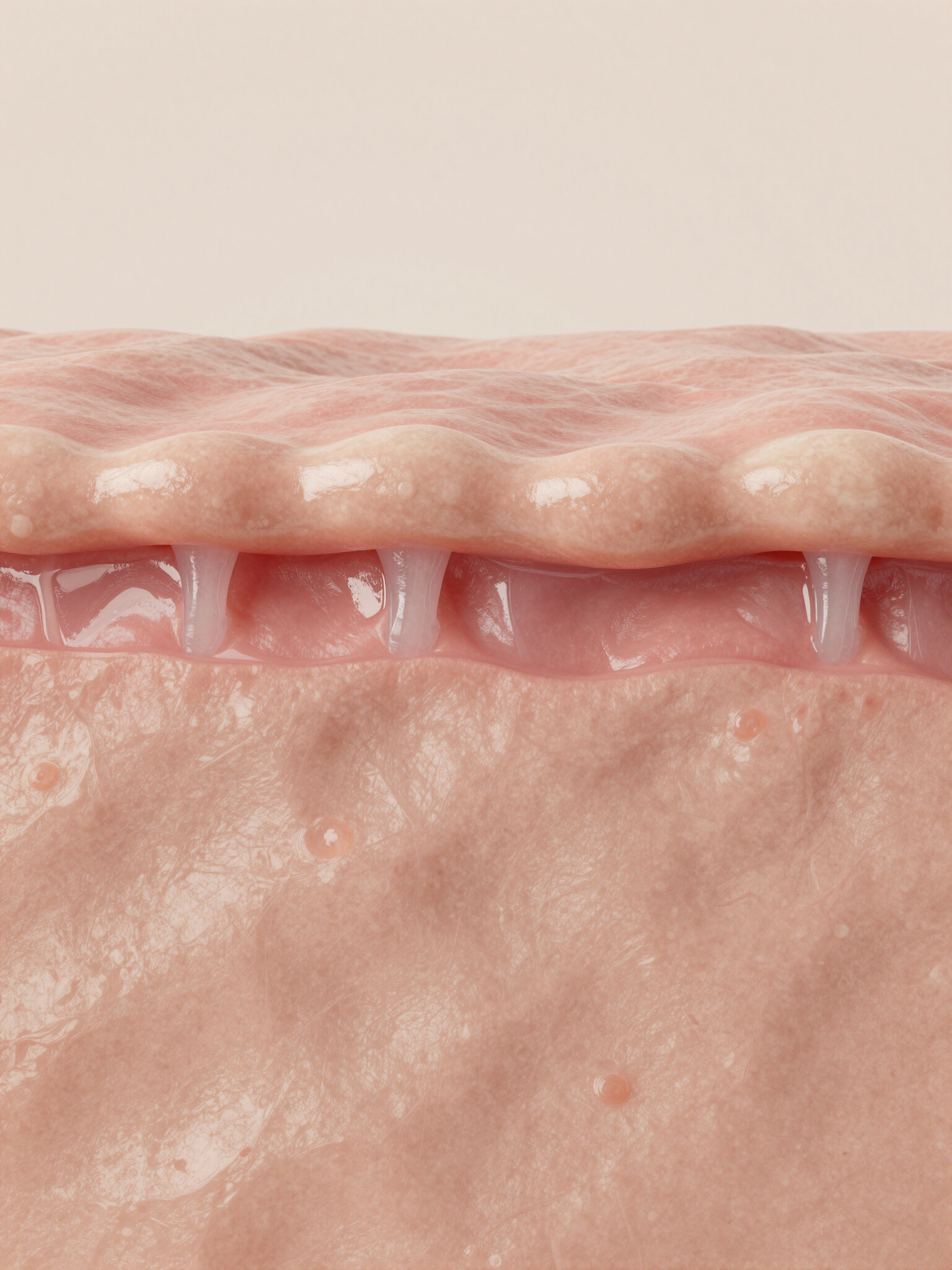
Lutronic Ultra™ is a fractional laser that delivers controlled energy to the upper layers of the skin. It helps break up excess pigment and supports a more even‑looking skin tone over time. Because melasma is sensitive to heat and light, settings are chosen carefully by our dermatology team to balance benefit and safety.

Supporting Skin Renewal
As the skin renews after each session, many patients notice a smoother, more even‑looking surface and softer edges to their pigment patches. While melasma is a chronic condition that can recur, Lutronic Ultra™ can be an important part of a broader plan to manage its appearance.
Treatment Process
01
Dermatological Consultation
Your visit starts with a full skin assessment. We review your history, examine the pattern and depth of your melasma, and identify triggers such as sun, hormones, or heat. Clinical photographs may be taken to help track subtle changes over time.
02
Preparation & Comfort
If Lutronic Ultra™ is appropriate, we design a plan that may also include prescription creams, brightening agents, and strict sun protection. We explain how laser fits into your overall routine, what to expect from each session, and how to support results at home.
03
Advanced Laser Rejuvenation
On treatment day, your skin is cleansed and protected. The laser handpiece is passed gently over the areas of pigmentation in controlled passes. You may feel warmth or a light prickling sensation. Sessions are typically brief, and settings are adjusted to respect your skin’s sensitivity.
04
Clinical Aftercare
After treatment, mild redness or sensitivity is common and usually settles within a few days. Strict sun protection and gentle skincare are essential to support healing and reduce the risk of melasma returning or darkening. Follow‑up visits allow us to monitor your progress and adapt your plan as needed.
What to Expect at Your Visit
Before the Session
We begin by confirming that your pigmentation is consistent with melasma and reviewing any previous treatments. Together, we discuss realistic goals, the importance of sun protection, and how lifestyle factors may influence your results. In some cases, preparatory skincare is recommended before laser.
During the Session
You may feel warmth or a light prickling sensation as the laser passes over the skin. Treatments are generally well tolerated and are performed with careful attention to your comfort and skin response. Settings are adjusted slowly and cautiously, especially for deeper skin tones.
Post-Treatment Care
Mild redness, warmth, or a dry, sandpapery texture can appear in the days following treatment. Improvement in melasma is gradual and may be subtle at first. Over a series of visits, many patients notice a more even‑looking complexion and softer, less noticeable patches of pigmentation. Because melasma can recur, ongoing maintenance and sun protection are essential.

Clinical Transformations
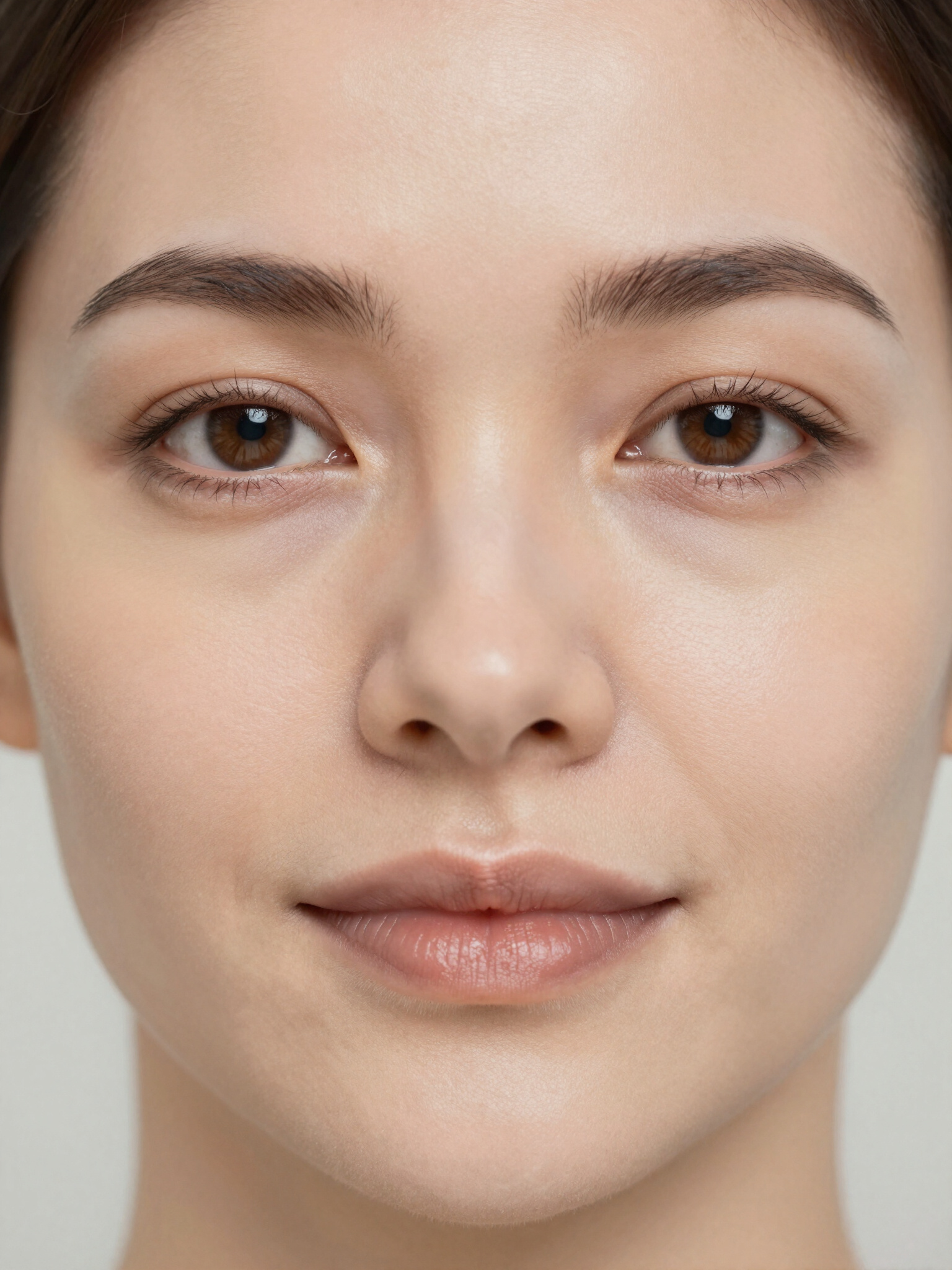
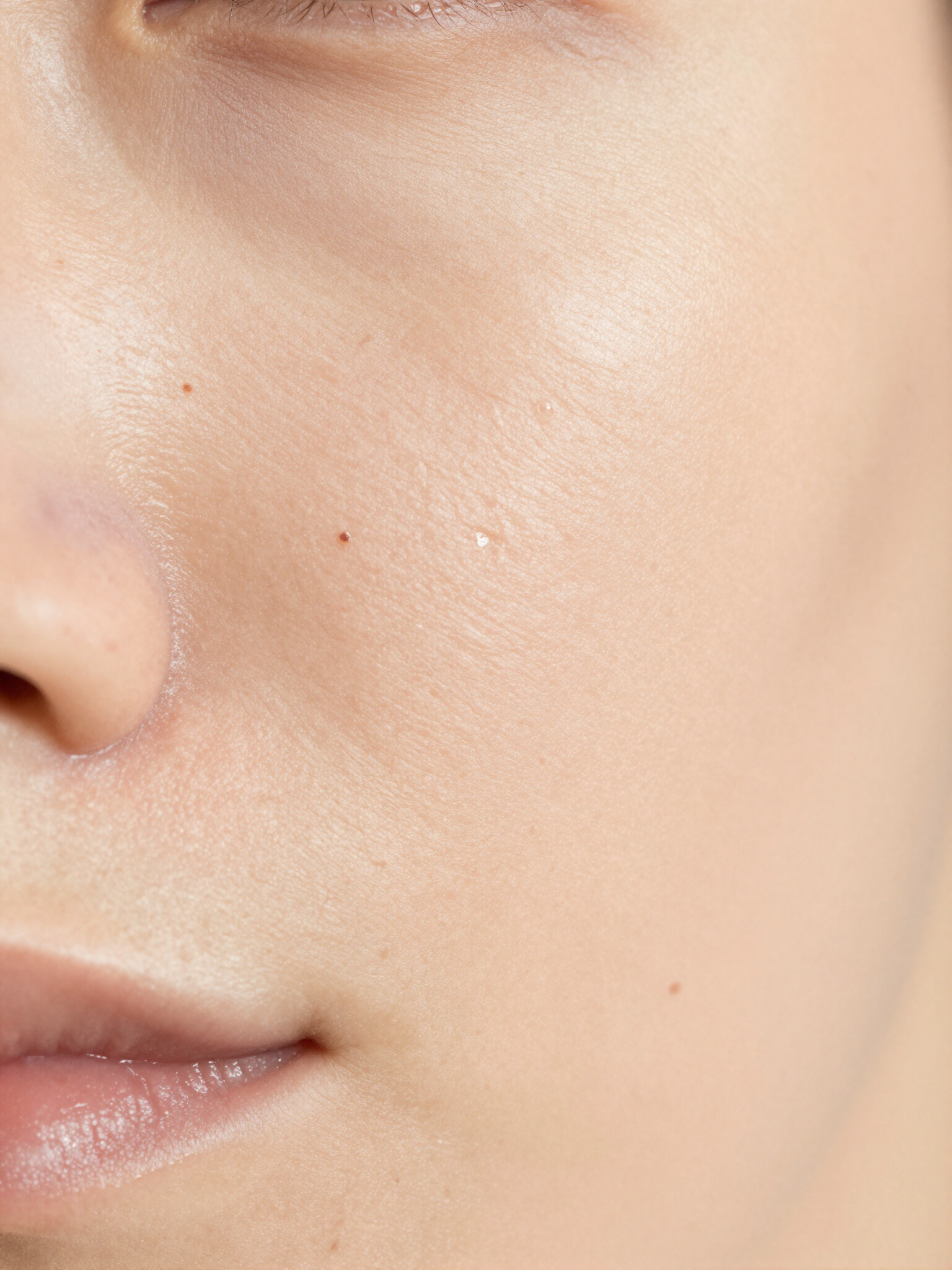
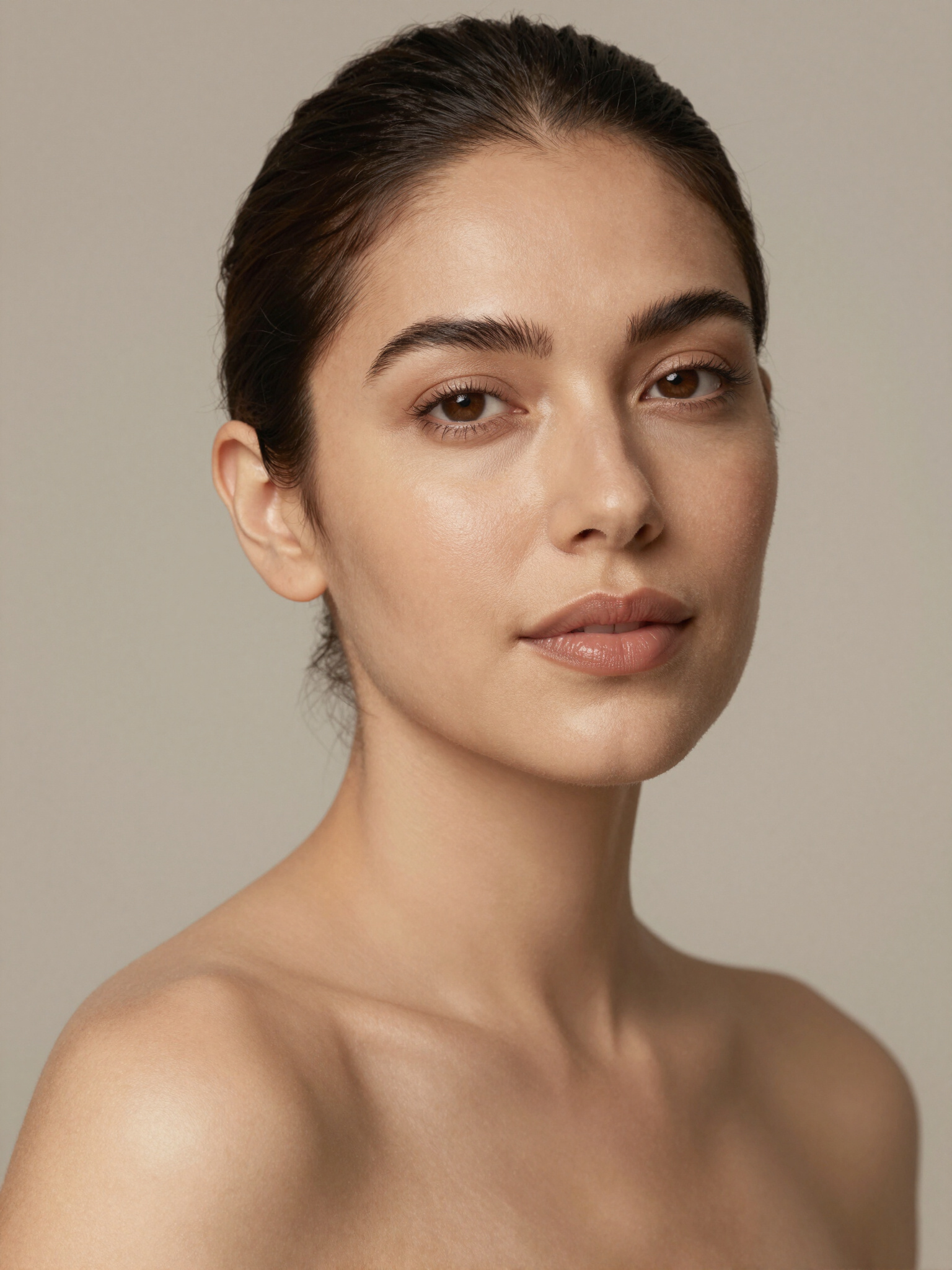
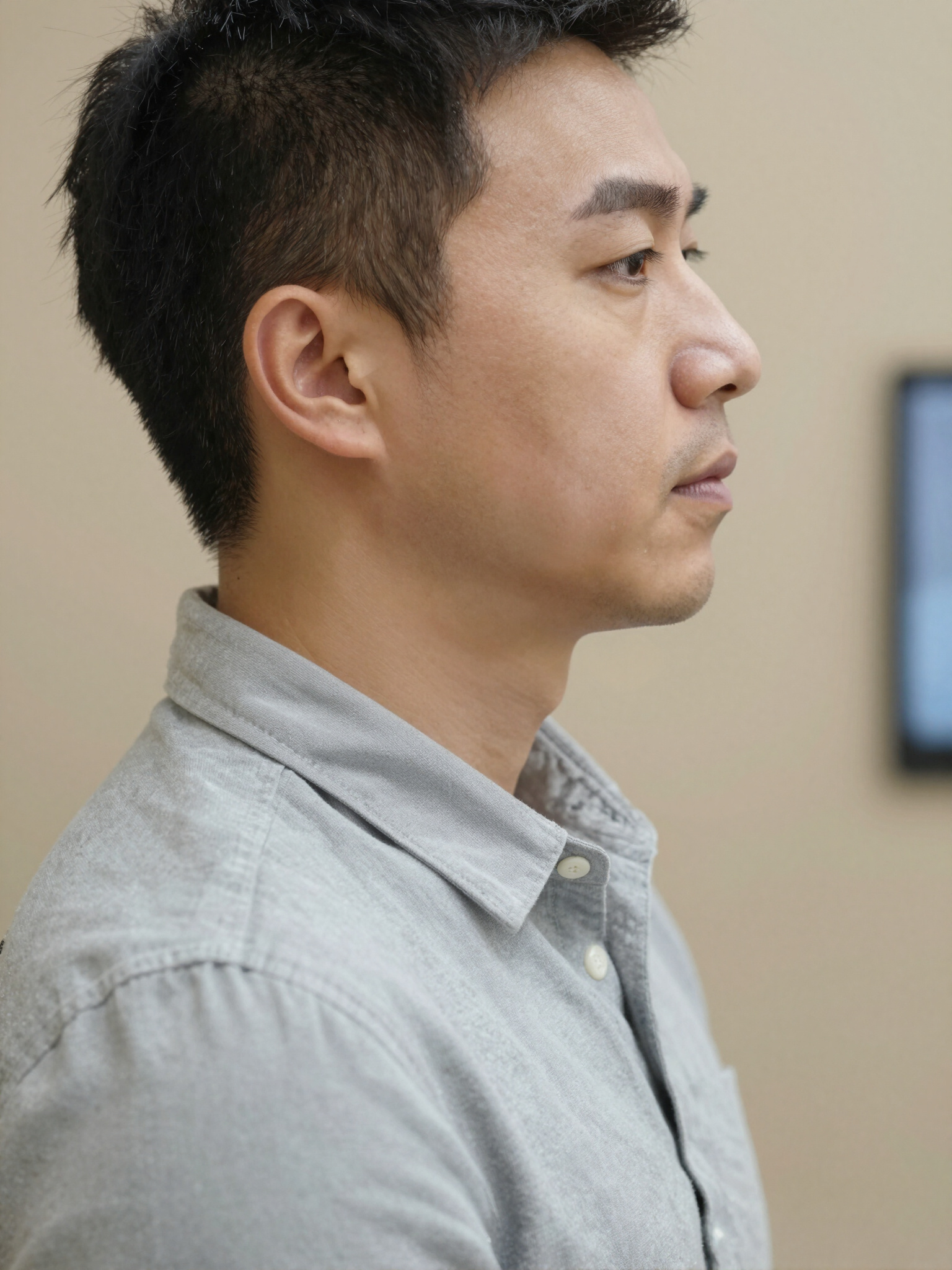
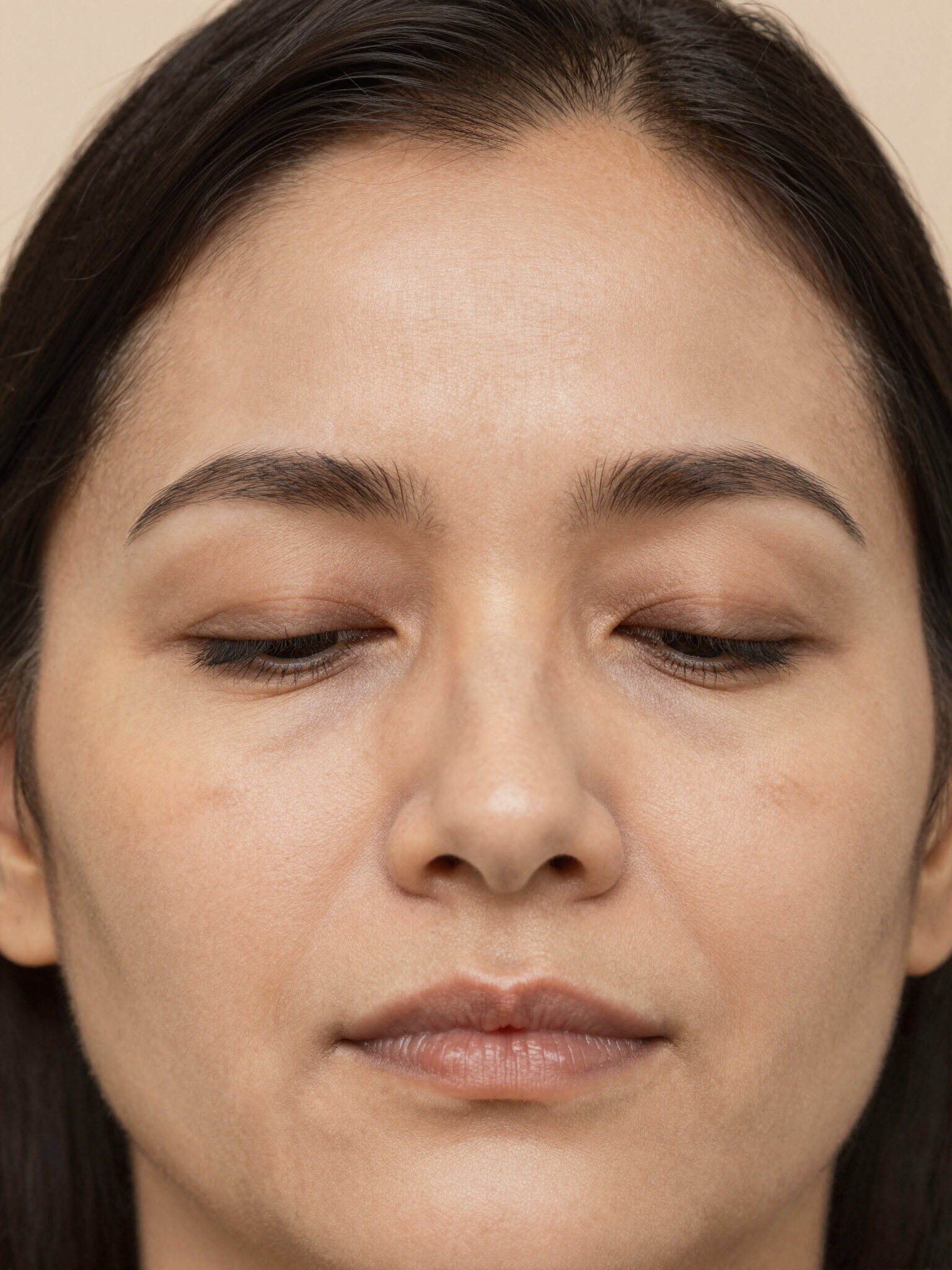
Explore our medical-grade results, showcasing restoration of skin vitality and precision rejuvenation.








Frequently Asked Questions
Ready for Rejuvenated Skin?
Start your journey toward smoother, more youthful-looking skin. Book a personalized assessment with our laser specialists at Iona Dermatologics today.